Sunday, February 28, 2016

Licorice Tea and Heartburn

Licorice is a favorite for both children and adults. Who doesn't like to chew on a nice stick of licorice candy; but don't get the candy mixed up with the real thing. Most licorice candy is artificially flavored. Licorice is a fragrant herb that is readily available and easy to use.


Historically licorice has been used in Europe and Asia for thousands of years. Some of the conditions it was used for included digestive complaints, bronchitis, osteoarthritis, inflammation, sore throat, cough and skin conditions. It has been used  to get  rid of excess phlegm and has been used for peptic ulcers and canker sores. .

Licorice can be used in herbal form, as a supplement, a syrup, and as a tea. Usually the root is the part of the plant that is used. One very popular use for licorice is relieving heartburn. Heartburn happens when acid from the stomach comes back up in the esophagus causing a burning sensation. A nice cup of licorice tea after dinner can possibly help this condition.

Using licorice comes with some cautions. Be sure to use deglycyrrhizinated licorice. The glycyrrhizic acid may cause sodium retention, high blood pressure and potassium loss. Do not use  licorice for more than 4 weeks without taking a break. Using it longer can cause weakness, and decreased sexuality in men. It is considered unsafe for pregnant women because it can cause miscarriage. Do not take licorice if you are taking Coumadin.

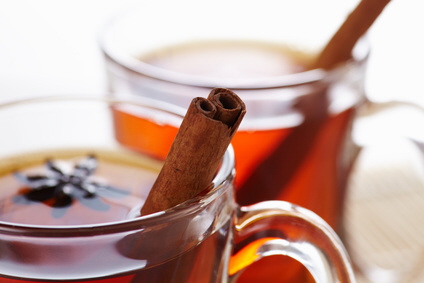
Licorice tea is easy to make and can be combined with ginger, mint, vanilla, star anise, cinnamon, cloves and many other things. Get creative and try your own combinations. Licorice tea is available online in  tea bags  if you want convenience. Here is a recipe for ginger  licorice tea.tea

Ginger Licorice Tea

1 Cup of slivered licorice root
1 Finger length of Ginger
 3 Cups of water

Crush the ginger. You can use a cleaver for this.
Place everything in a saucepan. Bring to a boil. Reduce heat and simmer 20 minutes.
Drain and serve warm.

Sources:
http://www.webmd.com/vitamins-supplements/ingredientmono-881-licorice.aspx?activeingredientid=881
http://umm.edu/health/medical/altmed/herb/licorice
http://www.refluxmd.com/home-remedy-for-heartburn/
http://www.livestrong.com/article/110565-dgl-licorice-acid-reflux/

Check out my website at www.valerielull.com  I am working on a new book about Garlic. Stay tuned.

Valerie Lull
Author
www.valerielull.com
valerielull923@gmail.com

Sunday, February 21, 2016

Spearmint Tea and Digestion

Spearmint, Mentha Spicata, is a member of the mint family. It is a separate plant from peppermint, but for most of history these two mints are often lumped together. Spearmint was the original medicinal mint and Peppermint was a hybrid that developed later.(1) Both help digestive problems. Today, I will be discussing Spearmint.


Spearmint is well known in folklore as a remedy for colds and sore throats, inflammation, hormonal, circulation problems, nausea, headaches, acne, and perhaps most popularly for digestive problems. It is also the flavor of a popular chewing gum.  Digestion problems include flatulence, bloating, irritable bowel syndrome, diarrhea, increased bile production, and cramping .(2)

There doesn't seem to be a lot of research on Spearmint. Most web sites about spearmint cite peppermint studies. I did find a few studies on spearmint, but not about digestion. According to one study Spearmint essential oil is anti fungal.(3)  Another study investigated hirsutism  (excess hair growth) in women and found it helpful for the mild form of the disease.(4)

Peppermint tea is a delicious way to use this remedy. Some folks just chew the leaves. It is easy to grow and you can grow it indoors. You can buy spearmint tea online or at a tea specialty shop. You can grow your own if you want it fresh. Leaves fresh from the garden  have more flavor than the dried leaves. Below is a recipe.

Spearmint Tea

1 oz. dried herbs or 2oz. fresh
1 pint of boiling water

Pour the water into a saucepan. Do not use an aluminum pan. If you are using fresh leaves be sure to rinse them off well. Add the leaves to the sauce pan and simmer about 10 minutes. Strain out the leaves. Let it cool a few minutes then serve.

Spearmint tea can be bought in bags if you prefer them for convenience.

Sources:
(1) Castleman, Michael, The New Healing Herbs, 2009, Rodale, p. 368-371
(2) https://www.organicfacts.net/health-benefits/herbs-and-spices/spearmint.html
(3) http://www.ipcbee.com/vol15/10-U00041.pdf
(4) http://www.ncbi.nlm..nih.gov/pubmed/1731049

Be sure to check out my web site at www.valerielull.com
Your comments are welcome. To leave a comment click on the words "no comment" below and the comment box will come up.

Valerie Lull
Author, Master  Herbalist
www.valerielull.com
valerielull923@gmail.com

Sunday, February 14, 2016

Lavender Tea and Anxiety

Lavender is a fragrant plant that is referred to in the Bible as nard or spikenard. It was used for centuries for all kinds of things from recovery after childbirth, to problems with digestion. It is still a popular herb in today's world. There are different kinds of lavender. Some kinds are considered weeds.


The most commonly used kind of lavender for healing purposes is Lavandula augustifolia. There seems to be very little research on lavender in tea form. According to folklore, a tea can be brewed from lavender that can be used for anxiety and stress. Lavender tea can also help with bloating and digestive issues. Lavender tea can be applied topically  for skin issues.

The area where the most research has been done with lavender is essential oil. Several studies have shown that lavender essential oil may be beneficial for anxiety and stress. It is used by aromatherapists to bring calm from anxiety and stress. Lavender oil can be used as a massage oil which is very soothing. Lavender can be added to the bath to bring restful peace.

Lavender tea is popular and can be found in most places that sell herbal teas. It can be found online. Lavender can be mixed with other herbs and teas to make a pleasant and calming beverage. Some popular combinations are lavender and green tea, lavender and chamomile, lavender and mint and lavender and white tea.

There is an almost endless list of herbs and spices that can be added to lavender tea. Put on your creative cap and experiment. See what you can come up with. Below is a recipe.

Lavender Tea

3 T fresh lavender flowers or 1 1/2 T dried lavender flowers
2 C boiling water
Honey or sweetener of choice
Lemon if desired

Put the flowers in an infuser or a tea pot. Add the boiling water and let the flowers steep 4-5 minutes. Strain and pour into cups. Serve with sweetener and/or lemon.

Sources:
Castleman, Michael, The New Healing Herbs, Rodale, 2009, p. 202
https://www.organicfacts.net/health-benefits/herbs-and-spices/lavender.html
http://medlicker.com/882-lavender-tea-benefits-side-effects
http://umm.edu/health/medical/altmed/herb/lavender

Check out my web site at www.valerielull.com  My book called Ten Spices for health and Longevity is now out in paperback.

Valerie Lull
Author
Ten Healthy Teas
Ten Spices for Health and Longevity
valerielull923@gmail.com

Sunday, February 7, 2016

Cinnamon Tea and Blood Sugar Control


Cinnamon is a  popular spice that is used in teas, candies, chewing gum, cooking and baking. Cinnamon has been used as a traditional medicine in China for hundreds of years. In recent times cinnamon has been the subject of numerous research studies. Scientists have come up with some interesting results. The one that interested me was that cinnamon may be useful for the control of blood sugar.


In 2012 a study was done in China to see if cinnamon extract would improve fasting blood glucose in the treatment of type 2 diabetes patients. Sixty-six patients were recruited and divided into three groups. One group received high-dose cinnamon, the second group received low-dose cinnamon and the third group received a placebo. The researchers saw hemoglobin A(1c)levels and fasting blood glucose levels in both the high-dose group and the low-dose significantly reduced. The placebo group was unchanged. The researchers concluded that cinnamon supplements could significantly improve blood glucose control in Chinese type 2 diabetes patients. (1)

There are a number of studies that seem to indicate cinnamon lowers glucose levels, but there are also studies that show the opposite. A meta-analysis was done in 2011 that compared 8 clinical studies. They concluded that cinnamon intake results in a significant lowering of fasting blood glucose. (2) The general consensus is that more studies need to be done on cinnamon and glucose levels.

My take on all this is that cinnamon is a healthful spice; even if it is controversial about lowering blood glucose, it has other potential health benefits that make it worth taking. However, don't use it for self-treatment without first discussing it with your healthcare practitioner.

Cinnamon tea is delicious and  easy to make. Simply immerse a cinnamon stick in a cup of boiling water. Cinnamon tea in teabag form is available and cinnamon is often mixed with other things like cloves and ginger. It is often included in chai teas which make a delicious drink. Some folks like to add cinnamon to their cocoa.


(1) http://www.ncbi.nlm.nih.gov/pubmed/22749176
(2) http://www.ncbi.nlm.nih.gov/pubmed/21480806

Check out my website at www.valerielull.com  

Valerie Lull
Author
Ten Spices for Health and Longevity
valerielull923@gmail.com

Sunday, January 31, 2016

Hibiscus Tea and Blood Pressure

Hibiscus is a beautiful flower that is transformed into a bright red tea that is often called red zinger. Another name for hibiscus tea is "sour tea". The Name Hibiscus means "Rose of China", even though Hibiscus was thought to originate in India.  Hibiscus is known and used in many cultures the world over. The ancient Egyptians used it to control diabetes, and it is the national flower of Haiti.


Hibiscus is popularly known as being useful for high blood pressure. A study done in 2010 seems to support this idea.  Sixty-five adults, who were not taking blood pressure medications, took hibiscus. The results showed a change in arterial pressure as compared to a placebo. The conclusion of the study was that the daily use of hibiscus tea, in an amount easily incorporated into the diet, lowered blood pressure in prehypertensive and mildly hypertensive adults.

Another study done in 2008 compared hibiscus tea with black tea in diabetics. The subjects of the study were given black tea or hibiscus tea for 12 days. The researchers concluded that hibiscus tea had positive effects on the blood pressure of the type II diabetic patients with mild hypertension. The black tea drinkers showed a slight increase in blood pressure. Scientists theorize that the polyphenols in the hibiscus are responsible for the beneficial results.

Hibiscus tea is readily available on the market and if you like gardening you can grow your own. Hibiscus tea is also high in antioxidants, minerals and vitamin C. Brewing hibiscus tea is very easy. You can get it in tea bags, or loose. Simply boil 1 cup of water for every serving you want and add 1 teaspoon of herb. Let it steep a few minutes and cool to a drinkable temperature.

As with any herbal preparation,  be sure to consult your healthcare practitioner before using hibiscus for therapeutic purposes.

http://www.hibiscusworld.com/history.html
hhttp://www.flowertemple.com.au/viewFlowerFromLibrary.aspx?fid=29&n=Hibiscus
http://culturemedicine.com/?p=92
http://www.ncbi.nlm.nih.gov/pubmed/20018807
http://www.nature.com/jhh/journal/v23/n1/full/jhh2008100a.html

Be sure to check out my website at www.valerielull.com. I also have a facebook page called Ten Healthy Teas.  My book Ten Spices for Health and Longevity is now out in paperback. It is available at www.amazon.com

Valerie Lull
Ten Healthy Teas
valerielull923@gmail.com


Sunday, January 24, 2016

Chamomile Tea and Your Thyroid

I have written about Chamomile tea before but there are so many good things about it that I'm writing on this subject again. Chamomile tea is traditionally used for many things. One of the most popular uses for the tea is to bring peace and calm to the drinker. Chamomile tea is good for many other things that the ordinary person may not be aware of.(1)


One thing that caught my eye was a recent study done in Greece. The researchers studied the effect of Greek herbal tea consumption on thyroid cancer. There are not many studies on tea and thyroid disease, so this new study is quite interesting. They studied three teas: sage tea, mountain tea and chamomile tea.

The researchers discovered an association between the consumption of chamomile tea and thyroid disease. It seems that the longer a person has been drinking chamomile tea, the stronger the protection from thyroid problems. The researchers found that thirty years of consumption reduced the risk of thyroid cancer development by 80%. The other two teas in the study  had a much weaker effect on thyroid disease development. Adjustments for smoking, alcohol and coffee were made but did not change the results.(2)

The researchers concluded for the first time that drinking herbal tea, chamomile in particular, protects from thyroid cancer.  These findings really impressed me and I have increased my consumption of chamomile tea. The tea can be gotten in tea bags or loose. Organic is preferred and it should be brewed with the purest of water.

If you want to start using chamomile tea for prevention of thyroid problems, or if you already have a thyroid disorder, be sure to discuss it with your healthcare provider; especially if you are pregnant. Side effects include allergic reactions. (3) Chamomile tea is easy to make. Take 1 oz.of herb, 1 cup of boiling water and pour the water over the herb. Let it steep 4-5 minutes, then drink. I let mine cool a few minutes before drinking.


(1) http://www.webmd.com/vitamins-and-supplements/lifestyle-guide-11/supplement-guide-chamomile

Be sure and check out  my website at www.valerielull.com  My book Ten Spices for Health and Longevity is now out in paperback. It can be purchased at www.amazon.com

Valerie Lull
Author
Ten Healthy Teas
valerielull923@gmail.com

Sunday, January 17, 2016

Teas for Men's Health

Tea in America is often thought of as a  women's thing, but tea for men is becoming more and more popular. Many men who drink tea are connoisseurs of tea, run tea companies or are into natural medicine. Even herbal teas are catching on with the male population. For thousands of years Japanese men have been drinking green tea, and for centuries British men have been drinking black tea. Teas like black tea and oolong definitely appeal to the masculine in a man.


Many men like to work out in the gym. Did you know that green tea can enhance the workout and increase calorie burn by as much as 4%? The antioxidants in green tea help lower cholesterol and reduce heart attack risk by 11%. Green tea can enhance performance if you are into running. It can increase exercise endurance by 24%.

If a man is looking to lose weight green tea may be useful. Drinking green tea increases the metabolic rate which causes greater oxidation of fat and helps with weight management. With green tea there appears to be some protection against cancer. For men this would include prostate cancer. This is because of catechins in the tea, the most powerful of which is epigallocatechin gallate, or EGCG. In one large study it was found that men who had five or more cups of green tea a day had a reduced risk of prostate cancer when compared to men who drank less than one cup a day.

Men who are interested in ditching the coffee habit may find tea a good alternative. Black tea has less caffeine than coffee and while it is not as good as green tea, it still has some health benefits in it's own right. Many men see black tea as a more masculine tea, and others prefer oolong. Some like green tea. If drinking green green tea  is not appealing, one can always take supplements of green tea extract.

Sources:
http://www.menshealth.co.uk/food-nutrition/drink-recipes/6-reasons-to-drink-more-green-tea
http://www.menscience.com/Benefits-of-Green-Tea-to-Mens-Health_ep_155.html
Kurahashi N et al. Green tea consumption and prostate cancer risk in Japanese men: a prospective study. Am J Epidemiol 2008;167(1):71-77
http://www.huffingtonpost.com/craig-cooper/real-men-drink-green-tea_b_738955.html

Be sure to check out my website at www.valerielull.com. I am bringing out my book Ten Spices for Health and Longevity in paperback. Stay tuned!

Valerie Lull
Author/Herbalist
Ten Spices for Health and Longevity
valerielull923@gmail.com