Sunday, April 26, 2015

Fabulous Flax

Flaxseed, Linum usitatissium, and flaxseed oil have been used for thousands of years. Flax was and still is being used to make linen. There are a number of websites that sell linen clothing made from flax. Flaxseed oil, also called linseed oil, is used by artists in making oil paintings. In the culinary world it is used for breads. It is also ground up and added to a host of foods. I like to grind it up and add it to smoothies.


Flaxseed  has health benefits. Here are a few of them:


  • Lowering cholesterol
  • Stabilizing blood sugar
  • Reducing bone lose
  • Increasing immunity
  • Fighting Cancer
  • Weight loss


As far as nutrition is concerned, flax is loaded with nutrients. These include almost all of the B vitamins, magnesium, manganese, fiber  (both soluble and insoluble), omega 3 fatty acids, and phytochemicals. These include alpha-linoleic acid, the plant version of omega-3's.

Flax contains lots of fiber. This is very good for gut and bowel problems. It contains both soluble and insoluble fiber. Even if you don't have bowel problems it can help regulate you and prevent constipation.

There are a few cautions when using flaxseed. People who have inflammatory bowel problems like Crohn's disease should not use flaxseeds because of their laxative effect. Pregnant and nursing moms should not use it. Women with fibroids, endometriosis and polycystic ovary disease should not use it. Men with increased risk of prostate cancer should also avoid using flaxseed. Always check with your health care provider before using more flax than what is used for culinary purposes.

Be sure to check out my web site at www.valerielull.com  I am in the process of creating a new look for my web site. Stay tuned.

Valerie Lull
Author
www.valerielull.com
valerie923@gmail.com 


Sunday, April 19, 2015

5 Herbs for Household Use

Most people know that herbs can be used for culinary purposes and almost everyone knows that there are medicinal properties to herbs that have been used since ancient times. But in today's world the knowledge of using herbs for household purposes seems to have become lost knowledge. I often wondered what people used to clean their homes before bleach and other cleaning chemicals were invented. In fact I did not know that bleach had been invented. It thought people always had bleach.

 I did a little digging and found that herbs were used by our ancestors to clean their homes, repel insects and many other household uses. Some of the things they used were vinegar, baking soda and lemon juice. I found so much information that I could not possibly compact it all into one article, so I narrowed it down to 5 herbs for household use to write about.


 Lemon Juice, citrus limon, is good for all kinds of things. It is good for cleaning cutting boards used to cut meats and vegetables. It is good for cleaning counters and tile. It can lend a fresh scent to any surface you clean and it repels fleas. Lemon juice citrus limon does not kill fleas, but the fleas don't like the scent of lemon so they go away. 

Here is a flea treatment that is very safe for your pet and easy and inexpensive to make. The basic recipe can be made at home. Cut up six lemons. Boil them in a quart of water for 5 minutes. Steep the lemons for 8  hours in a covered pot. Pour the liquid in a spray bottle. This will last about a week if stored in the refrigerator. Spray your pet after it has been bathed and avoid the animal's eyes.This can be sprayed on pet bedding and pet toys. 


Lavender, Lavendula officinalis, is well known for its lovely scent. It makes a wonderful air freshener and can be used to scent closets and drawers. Put a little lavender lavendula officinalis on a cotton ball and place it in your drawers and closets. Sprinkle lavender on your couch and carpet. Let it sit for a few minutes, then vacuum. It will leave your furniture smelling fresh and clean. It will get rid of pet odors and cats will not sit in a spot that has been sprayed with lavender oil. Lavender lavendula officinalis, can be sprayed on linens to freshen them and can be made into liquid hand soap.  


Rose Petals, Rosa, have a heavenly scent. They can be spread in the aisle for weddings. a lovely bouquet can be put on your dining room table as a thing of beauty as well as the lovely scent; and rosewater can be used as an air freshener.


Here is a recipe for rose potpourri. Take the dried peel from an orange, citrus cinensus, some dried lavender lavendula augustifolia and dried rose rosa petals. Add a few drops of lavender lavendula augustifolia essential oil. Transfer the mixture to a glass jar. Seal and let the mixture blend for a couple of days. Unseal and pour into a decorative bowl and enjoy the scent of your potpourri. 


Cedar, cedrus, is another botanical that fleas absolutely hate and will do anything to avoid. You can put cedar chips in affected areas of your home and in your pet's bed. Use cedar chips for cat litter for odor control. Be sure your pet is not allergic to cedar. Do not use cedar oil on your pet. It is not good for them.


Cedar cedrus is good for getting rid of other insect pests like termites, roaches, ants and beetles. Cedar chests and cedar-lined closets are known to repel moths that can damage your clothing. If you can't afford an all-cedar closet, get some cedar chips and put them in little bags or sachets and put them in your closet and dresser drawers. Besides repelling moths and insects it makes your clothes smell nice. 


Tea Tree Oil, melaleuca alternifolia, comes from Australia and is another substance that repels fleas. Put a tablespoon of tea tree oil in a spray bottle and mix with a quart of water. Spray it around your house. I used it on my carpet and upholstered furniture and it did a marvelous job of killing fleas. It will kill ticks too. Do not spray it on your pet; it is toxic to them.


Tea tree oil  melaleuca alternifolia can be used for household cleaning and disinfecting. It has antibacterial properties. It also kills mold and mildew in the kitchen, bathroom and laundry room. Add it to vinegar and water. Use 50 drops per bucket of water for cleaning tile and countertops. Put a few drops in your laundry during the wash cycle. Put a drop or two on a cotton ball and put it in with your stored clothing to repel moths. There are many uses for tea tree oil. Check out the Internet for more ideas.


The list of things you can use herbs for in your home is endless. If you have pets, you might want to check with your veterinarian about their safety for animals. Never use essential oils on cats. Their bodies cannot process it. Herbs for household use are a great substitute for harmful chemicals.

  
Sources:
http://homeguides.sfgate.com/home-made-lemon-spray-flea-control-7599930. html
http://www.yankeemagazine .com/article/resources/lavender-air-freshener#
http://www.wholefoodsmarket.com/recipe/homemade-lavender-rose-potpourri
http://www.apartmenttherapy.com/natural-flea-control-with-ordi-62829
http://www.ehow.com/list 5988799 uses-cedar-chip.html
http://www.walterreeves.con/insect-and-animals/moth-control-cedar-closets/
http://www.drweil.com/drw/u/ART00580/natural-household-cleaning-products.html
http://www.mnn.com/your-home/at-home/stories/9-surprising-uses-for-tea-tree-oil

Be sure to check out my website at www.valerielull.com Your comments on this article are welcome.


Valerie Lull

Author
Ten Healthy Teas
valerielull953@gmai.com

Sunday, April 12, 2015

Oatstraw Tea

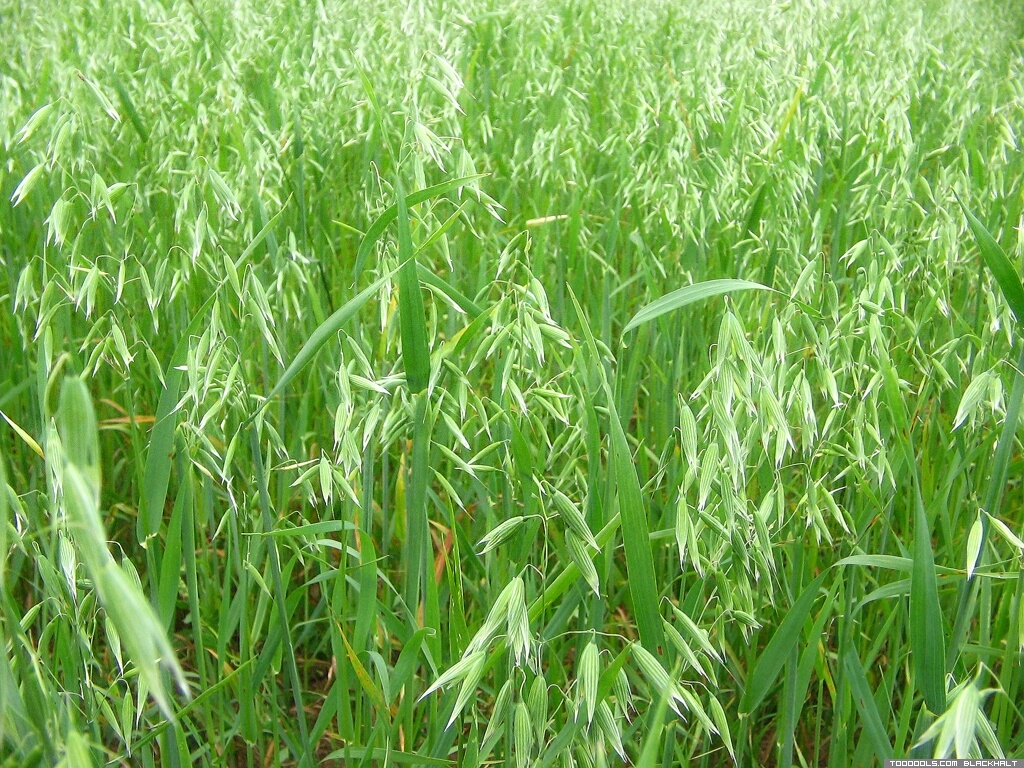
Last week I talked about oats. This week I am going to talk about oatstraw tea. Oatstraw is made up of the stems, flowers and milky seeds of the oat plant before the heads of grain form and mature. A tea or infusion of oatstraw has been used for everything from broken bones to anxiety. One popular use is as an aphrodisiac. Some people insist that it is great for the bedroom.


Research seems to indicate that oatstraw stimulates cell growth of the bones. It is great for building bone strength. It is also good for muscle cramps, strengthening blood vessels, preserving tooth enamel and strengthening the sheaths that cover the nerves. It is also used for arthritis, rheumatism, as a diuretic to combat fluid retention, for relief of itchy skin and as a nutrient to promote healthy skin, hair nails and bones. It is considered to be an excellent tonic for the body and is good for physical and emotional fatigue.

Oatstraw is full of organic calcium which is the best kind for the bones. It contains silica, another nutrient that is good for the bones, skin, hair and nails. It also contains mucilage, B vitamins (except B-12), minerals and protein. It is available in tinctures, extracts, creams and powder. The powder is popular for baths. Some studies seem to indicate that it can help smokers quit smoking. The German Commission E (their version of the FDA), has classified oat straw as a nervine. That means it is good for soothing and calming the nervous system. Cloths can be soaked in  cool oatstraw tea and applied as compresses to itchy areas of the body. It has been used this way to relieve the irritation of shingles.

Be careful with oatstraw if you have a problem with gluten. It is possible to get gluten-free oats, but you need to carefully check your sources. Some oats are contaminated from the gluten in other grains that may be grown near the oats. Here is the formula for making oatstraw tea. Pour a cup of boiling water over the oatstraw material. Let it steep for 5 minutes. Strain the infusion and enjoy. Honey, your favorite sweetener or lemon can be added for taste.

Sources:
http://healthyeating, sfgate.com/health-benefits-oat-straw-tea-9852.html
http://undergroundhealthreporter.com/oat-straw-benefits-longevity/#ixzz3WpxRNeen
http://www.wholehealthmd.com/ME2/dirmod.asp?type-AWHN_supplement&id=763FED1D23634581807C2D7A204DEBAE&ther=2

Be sure to check out my web page at www.valerielull.com  I'm working on another book which I hope will come out before the end of the year. It is about healing spices.

Valerie Lull
Author
Ten Healthy Teas
valerielull923@gmail.com

Sunday, April 5, 2015

7 Good Things About Oats

The Scottish people are famous for their oatmeal porridge and I remember my Scottish grandmother serving it every morning with raisins and dates to make it tasty so the grandchildren would eat it. I also remember the oatmeal cookies she would make. Oats are hearty and as the saying goes they 'stick to your ribs', making you feel full for several hours afterwards. Oats are a very healthy food and there are many health promoting things that are attributed to them.


1. Oats are used in cooking. We have already mentioned porridge and cookies, they also go good in bread. I love oat bread toast with butter and honey. It just hits the spot for me.

2. Oatstraw tea is made from the stems, flowers and milky seeds of the oat plant. Oatstraw tea has been used for everything from healing broken bones, to stress, to sexual dysfunction.

3. Oats are good for lowering cholesterol. Both the tea and porridge are good for this purpose.

4. Oats are packed with nutrition. They contain calcium, protein, B vitamins (except B-12), and silica which is good for the hair. Other nutrients include magnesium, phosphorus, zinc, manganese, selenium and iron.

5. Oats are good for external uses. The tea is good added to the bath for dry, irritated, and itchy skin from things like shingles and eczema.

6. Ground up oats make a good facial mask. Simply put some oats in a blender and whiz until they are powdered. Mix the powder with a little water and apply it to your face. Leave for 5-10 minutes then wash off.

7. Oats contain both soluble and insoluble fiber. Fiber is great for enhancing your digestion, losing weight and lowering cholesterol.

There are several kinds of oats. There are steel-cut oats, rolled oats and instant oats. The less the oats are processed the better. Organic is always better.

Be careful if you are sensitive to gluten. Oats themselves do not have gluten, but they can be contaminated from other grains that do have gluten. Be sure to check the source of your oats. It is possible to get gluten-free oats.

Sources:

http://healthyeating.sfgate,com/health-benefits-oat-straw-tea-9852.html
http://healthyeating.sfgate.com/insoluble-fiber-oats-7069.html

Be sure to check out my website at www.valerielull.com Have a great day!

Valerie Lull
Author
Ten Healthy Teas
valerielull953@gmail.com


Sunday, March 29, 2015

How to Have a Healthy Cup of Coffee


The health benefits of coffee seems to have come to the forefront in research on foods. Most of the research seems to show that coffee is healthy in moderation.


Some of the things coffee may help are:


  • Coffee improves liver health
  • Contains nutrients
  • Contains antioxidants
  • Reduces risk of getting type 2 diabetes
  • Improves mood and brain power
  • Speeds up your metabolism so you burn more calories and aids in weight loss
  • Helps prevent certain cancers
  • Coffee drinkers live 3-5 years longer than non-coffee drinkers

Having said that, don't start downing pots and pots of coffee. There are some cautions about taking your coffee.

  1. Don't drink more than 2 cups a day, 3 at the most. More than that is detrimental. 
  2. Don't drink coffee if you are pregnant
  3. Coffee is best if taken black with nothing in it.
  4. Dark roast is better than light roast
  5. Use pure water
  6. Stay away from sugar, sugar substitutes and artificial creamers
  7. If using a coffee machine use unbleached filters. The bleached ones have been bleached with chlorine which is not good for you.
  8. Use organic coffee. Regular coffee is sprayed heavily with pesticides. 
If you must have something in your coffee here are a few ideas. Use Stevia or honey instead of sugar. These are natural sweeteners. For flavor you can use coconut oil, cinnamon or raw cocoa.

Sources:
Castleman, Michael, The New Healing Herbs, 2009, Rodale, 164-173.
Merritt MA, Tzoulaki I, Tworoger SS, De Vivo I, et al. "Investigation of Dietary Factors and Endometrial Cancer Risk Using a Nutrient-wide Association Study Approach in the EPIC and Nurses' Health Study (NHS) and NHSII." Cancer Epidemoiol Biomarkers Prev. 2015 Feb;24(2):466-71

Be sure to check out my web site at www.valerielull.com

Valerie Lull
Author
Ten Healthy Teas
valerielull923@gmail.com


Sunday, March 22, 2015

Apple Cider Vinegar

Apple cider vinegar is a remedy that has been around for a long time. It was an important part of American folk medicine. There is a book by D.C. Jarvis called Folk Medicine. Jarvis was a Vermont country doctor and throughout his book he frequently refers to remedies that include apple cider vinegar. In Vermont they used it for the various ailments of their farm animals as well as for human use. 


Apple cider vinegar is one of those universal remedies that has been used for everything from morning sickness, to diabetes to warts. It has been highly promoted as an aid in weight loss. It can also be used in cooking and for cleaning purposes. There is plenty of anecdotal evidence for using ACV, but there are few scientific studies. People say they use it because it works. 

Apple cider vinegar is antibacterial, antiviral and antifungal. It contains vitamins A, B6 and E, lots of minerals,antioxidants, acetic acid and malic acid. Traditionally it has been used for ear and skin problems, fungus and warts, digestive disorders, inflammation, and detox. Some people use it daily as a tonic. ACV is a starch blocker which is why many people use it for weight loss. It is also said to lower blood sugar. As with any natural remedy, be sure to discuss using ACV with your health care provider, especially if you are pregnant or diabetic; it could make your sugars go too low. .

When purchasing ACV be sure to buy it in its natural state. The ACV you buy in supermarkets is usually clear, which means it has been processed and refined. Natural ACV has a cloudy look and there is a membrane called the "mother of vinegar". It has to have this to be natural. There is an excellent ACV vinegar known as Braggs. (I get no remuneration from the company; I just know it is a good product that I use myself).It can be taken with some honey added to make it more palatable. 

Check out my website at www.valerielull.com. 

Sources:
Jarvis, D.C. M.D., Folk Medicine: A New England almanac of natural health care from a noted Vermont country doctor, 1958, Fawcett Books, New York
www.thealternativedaily/the-apple-cider-vinegar-fat-loss-mystery-explained
www.thealternativedaily/Zap-bacteria-with-apple-cider-vinegar-and-these-six-other-superfoods

Valerie Lull
Author
Ten Healthy Teas
valerielull953@gmail.com


Sunday, March 15, 2015

Six Popular Herbs to Help Alleviate Minor Aches and Pains

By ACHS graduate Valerie Lull, MH, CHRM
First published January 19, 2015 on  the American College of Healthcare Sciences Blog
Here is a their link www.achs.edu


I love the winter season. It brings up images of children playing in the snow, the fresh aroma of evergreens, and warm family gatherings, But for me, winter has a downside. I begin having more aches and pains especially after exercise. There are a number of herbs that work quite well to bring relief. Here are my 6 favorite herbs that are useful for minor aches and pains.


1. Ginger

Historically, ginger Zingiber officinale (Roscoe) has been used in China, Japan and India for hundreds of years. It is said that ginger Z. officinale can support healthy joints and fluid levels. The parts of the plant that are used are the underground root and rhizome. They can be made into a tea or used as a powder an extract, in capsules, and as an oil. There is some evidence that ginger Z. officinale can relieve inflammation and thereby contribute to pain relief. (1)

Dr. Krishna C. Srivastava, a researcher in the therapeutic uses of spices at Odense University in Denmark, has studied the efficacy of  ginger Z. officinale as a mild pain reliever. Small amounts of ginger Z. officinale were given daily to arthritis patients for three months. The majority of patients had significant improvement in pain, swelling, and stiffness in the morning. (2)

Some folks mix ginger Z. officinale with cinnamon Cinnamomum zeylanicum (Blume) for the soothing qualities. Personally, I like to take Ginger as a tea. There's something about the warmth of ginger tea that seems to help my minor aches and pains and cheers me up on a cold wintry day. 

2. Lavender

I have always thought of lavender Lavandula angustifolia (Mill.) as a soothing botanical that helps promote calm and sleep. I was quite surprised when I learned that it can also soothe minor pain. 

Essential oil of lavender L. Angustifolia has been traditionally applied externally to soothe burns and minor aches and pains.(3) In my case, I had a scald on my thumb, and I immediately put lavender L. angustifolia essential oil on the area. The sting subsided immediately , and a day or two later I forgot it had even occurred!

In one study, it was shown that inhaling lavender essential oil for persistent headaches may be a safe and effective support. A statistically significant number of people reported positive results.(4)

Lavender has also been shown to manage pain after surgery. In women who underwent breast biopsy surgery, it appeared that they had better pain control with the use of lavender than women in the control group.(5) Lavender L. angustifolia essential oil can also be added to the bath to soothe minor aches and pains in muscles and joints. 

3. Peppermint

When I think of peppermint, I think of after dinner mints and candy canes. My grandmother used to give me peppermint tea for cramps associated with the menstrual cycle, but I never took peppermint Mentha piperita (L.) seriously for soothing relief until I started studying herbs. In my experience, it seems that peppermint M. piperita (L.) relaxes tense muscles, which helps to relieve the cramping.

Peppermint M. piperita (L.) can also potentially soothe teeth and other nerves. Applying diluted peppermint M. piperita (L.) essential oil to the skin appears to provide nervous system support during times of stress.(6)

For folks who need help relaxing muscles, it can be helpful to apply some diluted peppermint M. Piperita (L.) essential oil to the temples and forehead. There was also a small study that suggests that this is an effective treatment. (7)

4. Pine

I have always loved the smell of pine; it brings up memories of the real Christmas trees we would have over the holidays that filled the house with the smell of evergreens. I find the scent of pine exhilarating and refreshing.

Pine bark extract shows promising evidence of bringing relief from inflammation of osteoarthritis. One recent study showed that patients treated with
a pine bark extract derived from French maritime pine had significant improvement of mild to moderate osteoarthritis symptoms.(8)

5. Marjoram
.  
Marjoram Origanum majorana (L.) is commonly used as a culinary herb. However, there is some evidence that it can help to relieve minor aches and pains. Marjoram essential oil can support health joint, muscle and cartilage function.(9) It can also support a healthy digestive and nervous system. A tea made from the leaves and flowers can also be used to maintain nose, throat, and ear health.(10)

In scientific studies, marjoram oil has shown analgesic properties. There is a constituent in the oil that interferes with the prostaglandin that causes cramps associated with the menstrual cycle. There is also a component in marjoram O.majorana (L) that has anesthetic value.(11)

6. Cinnamon

I usually associate cinnamon with the holidays and cinnamon rolls. I love chai tea with cinnamon C. zeylanicum and I also put it in my oatmeal at breakfast. 

One popular remedy for uncomfortable joints and muscles is to make a cup of tea using one teaspoon of cinnamon C. zeylanicum and 2 teaspoons of honey.(12) Another common use is to dilute 15 drops of cinnamon C.zeylanicum essential oil in 1 ounce of carrier for a soothing massage. The powdered bark of C.zeylanicum is traditionally used for headaches.(13)

While herbs are wonderful remedies, be sure to check with your health care professional before using any of these herbs and remedies. Herbs and essential oils can interact with medications that your physician may be prescribing for you. Therefore, it is best to work with a Registered Herbalist (AHG) or a Registered Aromatherapist (ARC) as well as your trusted primary care physician, naturopath, or holistic health practitioner (HHP) when using herbs and essential oils for the relief of minor aches and pains.

References
(1)Terry, R., Posadzki, P., Watson,, L. and Ernst, E. (2011). The use of Ginger (Zingiber officinale) for the Treatment of Pain: A Systematic Review of Clinical Trials. Pain Medicine, 12( 12), pp.1808-1818.
(2)Srivastava, K. and Mustafa, T.(1989). Ginger (Zingiber officinale) and rheumatic disorders. Medical Hypotheses, 29(1), pp.25-28.
(3)EBSCO CAM Review Board (2011). Lavender,Retrieved from NYU Langone Medical center website:
(4)Sasannejad,P.,Saeedi,M., Shoeibi,A., Gorji,A., Abbasi,M. and Foroughipour,M.(2012). Lavender Essential Oil in the Treatment of Migraine Headache: A Placebo-Controlled Clinical Trial, EurNeurol, 67(5),pp.288-291.
(5)Kim,J., Wajda,M., Cuff,G., Serota,D., Schlame, M., Axelrod, D., Gutha,A. and Bekker,A.(2006). Evaluation of Aromatherapy in Treating Postoperative Pain: Pilot Study. Pain Practice. 6(4),pp.273-227.     (6)US National Library of Medicine,(2014). Peppermint:MedlinePlus Supplements.Available at: http://www.nlm.nih.gov/medlineplus/druginfo/natral705.html[Accessed 2,Dec. 2014].
(7)Gobel, H., Schmidt, G., Dorschak, M., Stolze,H. and Heuss,D(1995). Essential plant oils and headache mechanisms. Phytomedicine,2(2), pp.93-102.
(8)Cisar, P., Jany, R., Waczulikova, I., Sumegova, K., Muchova, J., Vojtassak, J., Durackova, Z., Lisy, M., and Rohdewald, P. (2008) Effect of pine bark extract on symptoms of osteoarthritis, Phytotherapy Research, 22(8),1087-1093.
(9)Lis-Balchin, M., Hart, S., Deans, S. and Eaglesham,E. (1996). Comparison of the Pharmacological and Antimicrobial Action of Commercial Plant Essential Oils. Journal of Herbs,Spices and Medicinal Plants, 4(2), pp.69-86.
(10)Webmd.com, (2014). Marjoram: Uses, Side Effects, Interactions and Warnings - WebMD. Available at:http://www.webmd.com/vitamins-supplements/ingrdientmono-563-marjoram.aspx?activactiveingredientid=563&activeingredientname=marjoram[Accessed 2 Dec. 2014].
(11)Ou, M., Hsu, T., Lai,A., Lin, Y. and Lin C (2012). Pain relief assessment by aromatic essential oil massage on outpatients with primary dysmenorrhea: A randomized, double-blind clinical trial. Journal of Obstetrics and Gynecology Research, 38(5), pp.817-822.
(12)Graedon, T. (2011) Cinnamon and Honey Relieve Joint Pain.[Blog] Home Remedies Available at http://www.peoplespharmacy.com/2011/06/20/cinnamon-and-honey-relieve-joint-pain/
(13)Aagarwal,B. and Kunnumakkara,A. (2009). Molecular Targets and Therapeutic Uses of Spices. Hackensack, NJ: World Scientific Publishing, p.4.    

Be sure to check out my website at www.valerielull.com

Valerie Lull
Author
Ten Healthy Teas
valerielull923@gmail.com